
Wood Sticks
Showing 11 of 11
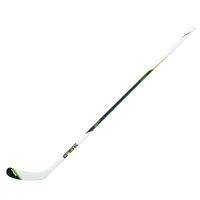
Basehockey
BASE Scream S65 ABS Hockey Stick Youth – 46 inches, S190
BASE Scream S65 ABS Hockey Stick Youth – 46 inches, S19 – ice hockey stick. Choose the size and version to match your setup.
from€19.95*€25.95
Show options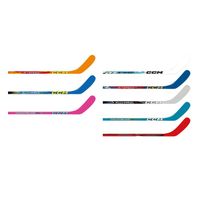
CCM
CCM Secret Mini 2026 Toy Hockey Stick0
CCM Secret Mini 2026 toy stick in a compact mini format for fans, collecting and recreational mini hockey – available in L or R.
from€29.90*€34.00
Show options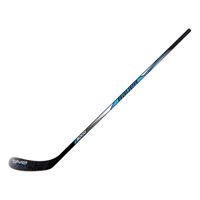
Bauer
BAUER I3000 Stick - ABS Blade - 52" Junior0
BAUER I3000 Stick - ABS Blade - 52" Junior – ice hockey stick. Choose the size and version to match your setup.
€25.95*€32.95
Bauer
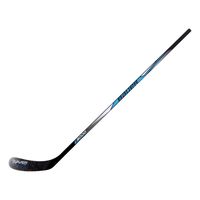
BAUER I3000 Stick - ABS Blade - 59" Senior0
BAUER I3000 Stick - ABS Blade - 59" Senior – ice hockey stick. Choose the size and version to match your setup.
€28.95*€34.95
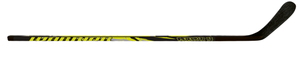
Warrior
Warrior Senior Hockey Stick0
Warrior Senior Hockey Stick: Warrior hockey stick with selection by flex, blade curve and hand.
from€26.95*€34.90
Show optionsWarrior
Warrior Bezerker Wood V2 ABS Stick Junior0
Warrior Junior Hockey Stick: Warrior hockey stick with selection by flex, blade curve and hand.
€22.50*€22.90
Warrior
Warrior Bezerker Wood V2 ABS Stick Bambini0
Warrior Youth Hockey Stick: Warrior hockey stick with selection by flex, blade curve and hand.
from€17.50*
Show optionsCCM
CCM Ultimate Wood Stick Senior - 85 Flex Season 25 White0
UVP € 35,90
from€38.95*€47.95
Show optionsWarrior
Warrior Bezerker Wood V2 ABS Stick Mini0
Warrior Bezerker Youth Hockey Stick: Warrior hockey stick with selection by flex, blade curve and hand.
€9.95*€12.50
True
TRUE MYSTERY THE VAULT 002 Mini Hockey Stick0
TRUE MYSTERY THE VAULT 002 mini stick for knee hockey, collecting, display or autographs. Choose left or right.
€19.99*€29.95


Wooden sticks are part of hockey’s history, with a distinctive feel and visible wood grain. Although composite sticks now dominate professional play, wood remains an option for amateur games, training and recreation. Choose a model designed for the surface and type of hockey you play.
Advice & details: Wood SticksView selection advice, features and care
Wooden hockey sticks for recreational play
Reasons to choose a wooden stick
- Affordable:Wooden models often cost less than composite sticks, making them an option for beginners and players on a budget.
- Robust construction:Durability depends on the model, use and condition; a wooden stick does not automatically last longer than a composite one.
- Traditional feel:Some players prefer the familiar handling and feedback of wood.
- Vibration damping:Wood’s damping characteristics contribute to its distinctive feel in the hands.
Materials and construction
Wooden sticks may use maple, birch, ash or other wood constructions. Sanding, finishes and, on some models, fibreglass reinforcement help protect the surface and blade. The exact materials, weight and flex depend on the product.
Wood and modern composite sticks
Wood offers a traditional feel, while composite construction allows manufacturers to tune weight and flex. Neither material should be modified indiscriminately: only shorten or alter a stick in ways approved by its manufacturer, and do not heat or reshape a blade without explicit instructions.
Choosing a blade curve
Blade curve affects handling, passing and shooting. Both wood and composite sticks are offered in model-specific patterns. Compare the available curve, playing side and lie before purchase rather than assuming that a wooden blade can be reshaped to suit you.
Wooden sticks to compare
- Canadien 6001 Wooden Stick:A traditionally constructed option for players who prefer the feel of a wooden stick.
- Jofa 1000 Wooden Stick:A gloss-finished wooden model for training and games appropriate to its intended use.
- CCM 1060 65 cm:A goalie stick with a urethane foam-core blade. Check the product’s paddle measurement and construction when choosing a size.
- Bauer SH100 Street Hockey Stick:Designed for street hockey, with a replaceable poly blade. Use it on the surfaces specified for the model rather than treating it as an ice hockey stick.
Discover the feel of a wooden stick
Compare our wooden sticks for beginner, recreational and training use. Check the surface, playing side, size and blade pattern of each model to find one that suits your game.
Frequently asked questions
How does a wooden stick’s stiffness affect play?
Stiffness influences how easily the shaft bends during a shot. Choose it according to your strength, technique and stick length, rather than your playing position alone. A stick that is difficult to load may not suit you; lower flex is not itself evidence that a stick will break.
How should I care for a wooden hockey stick?
Wipe away dirt and moisture with a soft cloth, dry the stick and store it in a dry place. Inspect it for cracks and splinters. Replace a blade only if the model is designed for this, and apply coatings or carry out repairs only as instructed by the manufacturer.
When should I replace a wooden hockey stick?
Stop using a stick with deep cracks, large splinters or a damaged blade. An unexpected change in flex or unusual noises can also indicate damage and should be checked before further play.