
Blades
Showing 8 of 8
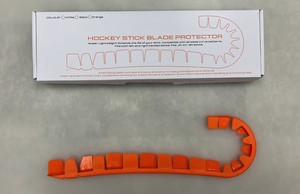
WRAPAROUND ICE BLADE PROTECTOR
0
WRAPAROUND ICE BLADE PROTECTOR – hockey replacement blade. Choose the size and version to match your setup.
€9.95*€35.95
Basehockey
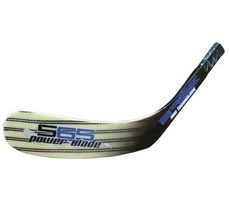
BASE S65 Scream ABS Replacement Hockey Blade – Junior0
BASE S65 Scream ABS Replacement Hockey Blade – Junior. The BASE S65 Scream ABS is the Junior replacement blade version.
from€20.96*€21.95
Show options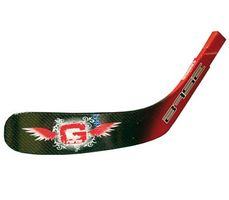
Basehockey
BASE G-Force Composite Replacement Hockey Blade – Senior0
BASE G-Force Composite Replacement Hockey Blade – Senior. The BASE G-Force is a Senior replacement blade for a compatible two-piece hockey stick.
from€33.71*€44.95
Show options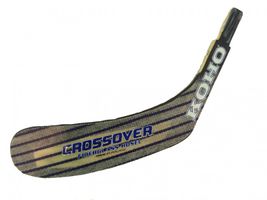
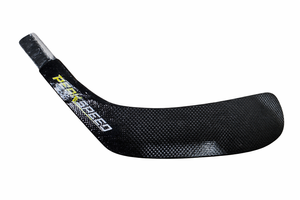
GRAF
Graf G33 Standard Blade Senior0
Graf G33 Standard Blade Senior – hockey replacement blade. Choose the size and version to match your setup.
from€28.95*€37.30
Show optionsWRAPAROUND ICE BLADE PROTECTOR
0
WRAPAROUND ICE BLADE PROTECTOR – hockey replacement blade. Choose the size and version to match your setup.
€27.95*€35.95
GRAF
Graf G22 Standard Blade Senior0
Graf G22 Standard Blade Senior – hockey replacement blade. Choose the size and version to match your setup.
from€24.95*€31.95
Show optionsGRAF
Graf G22 Tapered Blade - Senior0
Graf G22 Tapered Blade - Senior – hockey replacement blade. Choose the size and version to match your setup.
from€24.95*
Show options


A blade’s curve, length, profile and construction shape the feel of a stick and how it handles the puck. Wood and composite replacement blades offer different characteristics, but they must be compatible with the shaft. Compare the pattern and intended use as well as the material.
Advice & details: BladesView selection advice, features and care
Replacement hockey stick blades
Features to compare
- Puck control:Blade shape and feel influence handling, passing and shooting.
- Shot response:Construction affects stiffness and feedback; a new blade alone does not guarantee a harder shot.
- Playing style:Different shapes and sizes offer choices for different techniques and preferences.
- Durability:Compare construction and inspect for wear; no blade is immune to cracks or breakage.
- Weight:A lighter blade changes the weight and balance of the assembled stick.
When a spare blade is useful
A spare blade can be useful for a compatible two-piece stick when the original wears out or breaks, or when trying another pattern. It is not a replacement solution for every one-piece stick.
Blade materials and workmanship
Blades may use wood, carbon-fibre composites or fibreglass. Construction and protective finishes vary by model and influence weight, feel and resistance to wear. Do not assume that every coated blade is waterproof.
Playing side and blade curve
Choose left or right according to the hand you place lower on the stick. Compare the manufacturer’s pattern code, curve location and depth, face opening and lie. These are separate characteristics; there is no universal 10–20-degree scale that describes every blade curve.
- Removing the old blade:First confirm that the stick uses a replaceable blade. Use heat only where the manufacturer permits it, following its method and temperature guidance; do not use an open flame.
- Preparing the replacement:Check shaft and blade compatibility, including the tenon dimensions. Do not cut the blade’s insertion end unless the manufacturer explicitly requires it.
- Fitting the blade:Use the adhesive and fitting procedure specified for the compatible parts. Do not force a blade into a shaft or apply a generic heating method to all materials.
- Alignment and setting:Align the blade and allow the adhesive to cool or cure as instructed.
- Checking the fit:Confirm that the blade is securely seated before use. If it moves or does not fit correctly, ask a qualified technician rather than improvising a repair.
Shop replacement hockey blades
Explore replacement blades in our online shop and check compatibility, playing side and pattern before ordering.
Frequently asked questions
How do I know when a blade needs replacing?
Cracks, significant wear, looseness or a noticeable change in feel can indicate damage. Inspect the blade and its connection; stop using damaged equipment until it has been assessed or replaced.
Which blade material should I choose?
Wood offers a traditional feel and may weigh more. Composite blades use materials such as carbon fibre or fibreglass to tune weight, stiffness and response. Compare the actual model and its compatibility rather than relying on material alone.
How do I choose blade and stick length?
Blade dimensions and the total length of an assembled stick are different measurements. Choose a compatible blade profile first, then assess the complete stick’s length for your height, skating stance and technique. A chin-height check on skates is only a starting point, not a blade-sizing rule.