
Pucks
Showing 13 of 13
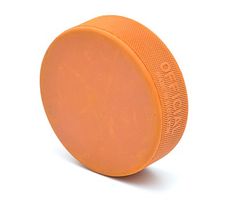
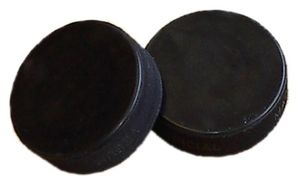
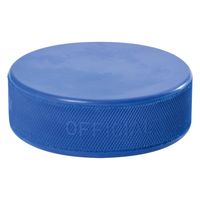
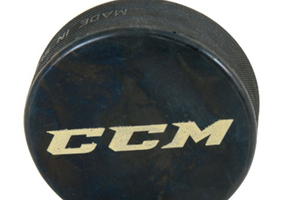


An ice hockey puck may be small, but it plays a huge role on the ice. In a fast and exciting game such as ice hockey, the puck is at the heart of every move. Players aim to send it into the opposing goal, and it sets the stage for spectacular moments and exciting changes in the game. With its standard diameter of three inches (approximately 7.62 cm) and thickness of one inch (approximately 2.54 cm), it glides smoothly across the ice. Its weight of approximately 6 ounces (170 grams) keeps the puck stable on the ice and prevents it from bouncing or flying into the air too easily. The puck's deep black colour stands out clearly against the white ice, making it easy for players and spectators to follow.
Advice & details: PucksView selection advice, features and care
Ice hockey pucks for professional sport and recreational games
Reasons to choose a high-quality ice hockey puck
- Better control of play: High-quality pucks respond consistently and predictably on the ice, allowing players to make more accurate passes and shots.
- Durable and robust: Strong materials help high-quality pucks resist rapid wear and damage, making them well suited to intensive training and competitive games.
- Greater safety: A well-made puck is less likely to break, reducing the risk of injury to players.
- Consistent quality: High-quality pucks retain characteristics such as their weight and hardness even at low temperatures.
Materials and construction of ice hockey pucks
Standard ice hockey pucks are made from vulcanised rubber or another material approved for the competition. Training and inline pucks may use different constructions, so check their intended use. Professional tracking systems can use specially instrumented pucks to collect movement data; this is not a standard feature of ordinary shop pucks.
Different types of ice hockey pucks
Alongside standard ice hockey pucks, there are special training pucks designed to develop particular skills. For example, heavier pucks can weigh up to 10 ounces and help improve shooting power and puck handling. Lightweight pucks are also available specifically for children and beginners. There are even fluorescent or glowing pucks for poorly lit environments or games played at night.
Quality standards for ice hockey pucks
Quality standards set by leading hockey organisations ensure that pucks meet specified physical requirements such as size, weight and material composition. Compliance with these standards ensures consistent performance under competitive conditions and player safety.
Popular ice hockey pucks as souvenirs
- NHL team pucks: These pucks feature the logos and colours of different NHL teams. They are often kept as mementos or given as gifts and are highly sought after.
- Stanley Cup pucks: These are produced specifically for the Stanley Cup Playoffs and often feature the tournament year and the Stanley Cup Playoffs logo. They are particularly popular with collectors and serve as reminders of special hockey moments.
- All-Star Game pucks: Produced for the annual NHL All-Star Game, these pucks feature designs representing the event. They are popular with both fans and puck collectors because a new design is introduced each year.
- Olympic ice hockey pucks: These pucks are produced for the ice hockey competitions at the Olympic Games and often feature the Olympic rings and the year of the Games.
- Historic pucks: Pucks used in significant games or signed by famous hockey players are among the most valuable collectors' items.
Buying a high-quality ice hockey puck
The ice hockey puck is a central part of every game. A good puck plays an important role in helping each player realise their full potential. Explore the wide selection of ice hockey pucks in our online shop and choose the ideal puck for your next game.
Frequently asked questions
How should an ice hockey puck be used on the ice?
An ice hockey puck is mainly used for playing and training in ice hockey. Players use their sticks to control the puck, pass it and shoot it into the goal. Keeping the puck flat on the ice and guiding it through precise stickhandling are important. However, controlling the puck under pressure and reacting quickly as the game develops require practice and skill.
How fast can an ice hockey puck travel?
A powerful slapshot can send an ice hockey puck travelling at more than 160 km/h. Its speed is influenced by the power and technique of the shot, the condition of the ice and the puck's own physical characteristics. A smooth, well-maintained ice surface helps the puck glide faster.
Why are ice hockey pucks often chilled?
Ice hockey pucks are often chilled before a game to make them less likely to bounce. This helps players control the puck and make more precise shots and passes. Chilling pucks is standard practice in professional leagues to improve the quality of play.