
Underwear
Showing 50 of 171
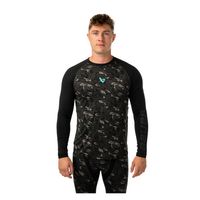
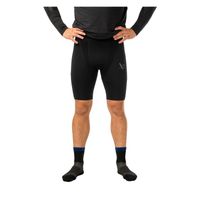
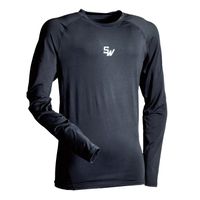
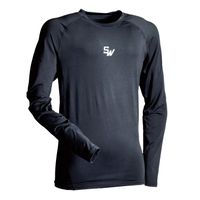
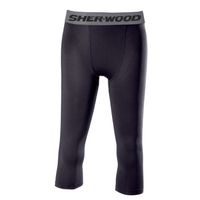
Sherwood
SHER-WOOD Clima Plus 3/4 Compression Pant Junior, Colours: Schwarz0
from€24.95*€34.95
Show optionsWarrior
Warrior Mens W COMP LS SHIRT0
Warrior Mens W COMP LS SHIRT: Warrior product with model-specific features and variant selection.
from€30.00*€39.90
Show optionsWarrior
Warrior Mens WARRIOR LOOSE TECH TIGHT0
Warrior Mens WARRIOR LOOSE TECH TIGHT: Warrior product with model-specific features and variant selection.
€29.95*€37.50
Warrior
Warrior Junior W COMP TIGHT0
Warrior Junior W COMP TIGHT: Warrior product with model-specific features and variant selection.
from€26.00*€34.90
Show optionsWarrior
Warrior Mens W COMP TIGHT0
Warrior Mens W COMP TIGHT: Warrior product with model-specific features and variant selection.
€30.00*€39.90
Sherwood
SHER-WOOD Clima Plus 3/4 Compression Pant Men, Colours: Schwarz0
from€24.95*€34.95
Show optionsAycane
Aycane Blade EVO 2 Base Layer Short Sleeve 1610
Aycane Blade EVO 2 Base Layer Short Sleeve 161 is a functional short-sleeve hockey base layer for training and competition. Breathable stretch fabric supports moisture management, unrestricted movement and lasting comfort under protective equipment.
from€118.90*€119.90
Show optionsAycane
Aycane Blade EVO 2 Base Layer Long Sleeve 1600
Aycane Blade EVO 2 Base Layer Long Sleeve 160 is a functional hockey base layer for training and competition. Breathable stretch fabric supports moisture management, unrestricted movement and lasting comfort under protective equipment.
from€128.00*€129.00
Show optionsAycane
Aycane Blade X Base Layer Short Sleeve | BNQ 1180
Aycane Blade X Base Layer Short Sleeve | BNQ 118 is a functional short-sleeve hockey base layer for training and competition. Breathable stretch fabric supports moisture management, unrestricted movement and lasting comfort under protective equipment.
from€128.00*€129.00
Show optionsAycane
Aycane Blade GT Lite Base Layer Long Sleeve 1670
Aycane Blade GT Lite Base Layer Long Sleeve 167 is a functional hockey base layer for training and competition. Breathable stretch fabric supports moisture management, unrestricted movement and lasting comfort under protective equipment.
from€108.90*€109.90
Show optionsAycane
Aycane Blade GT Base Layer Long Sleeve 2180
Aycane Blade GT Base Layer Long Sleeve 218 is a functional hockey base layer for training and competition. Breathable stretch fabric supports moisture management, unrestricted movement and lasting comfort under protective equipment.
from€128.90*€129.90
Show optionsWarrior
Warrior General CUT RESISTANT PRO SOCKS0
Warrior General CUT RESISTANT PRO SOCKS: Warrior product with model-specific features and variant selection.
from€29.95*€39.95
Show optionsBauer
BAUER Team LS Tech Tee Vapor - grey - Sr.0
BAUER Team LS Tech Tee Vapor – grey – Sr.: long sleeve tech tee in hockey fit for teams.
from€9.95*€49.95
Show optionsAycane
Aycane Blade Hybrid Base Layer Long Sleeve 1190
Aycane Blade Hybrid Base Layer Long Sleeve 119 is a functional hockey base layer for training and competition. Breathable stretch fabric supports moisture management, unrestricted movement and lasting comfort under protective equipment.
from€108.90*€109.90
Show optionsAycane
Aycane Blade Hybrid Base Layer Long Sleeve Youth 1200
Aycane Blade Hybrid Base Layer Long Sleeve Youth 120 is a functional hockey base layer for training and competition. Breathable stretch fabric supports moisture management, unrestricted movement and lasting comfort under protective equipment. The fit is designed specifically for young players.
from€98.90*€99.90
Show optionsCCM
CCM TACKS Base Layer Neck Guard Shirt Youth0
Base layer with integrated neck guard with CCM size guidance.
from€89.90*€96.00
Show optionsCCM
CCM TACKS Base Layer Neck Guard Shirt Senior0
Base layer with integrated neck guard with CCM size guidance.
from€109.90*€124.00
Show optionsBauer
BAUER Bodyguard Neckprotect Top - Yth.0
BAUER Bodyguard Neckprotect Top - Youth – hockey top with neck guard. Choose the size and version to match your setup.
from€72.95*€90.00
Show optionsWarrior
Warrior Wartech Tee Long Sleeve Men0
Warrior Wartech Tee Long Sleeve Men is functional Warrior hockey equipment for training, games or the care and completion of your setup. Specification, size and compatibility depend on the selected variant.
€14.95*€39.95
CCM
CCM WOMENS NECK GUARD LONG-SLEEVE TOP CUT PROTECTION BASELAYER S250
CCM WOMENS NECK GUARD LONG-SLEEVE TOP CUT PROTECTION BASELAYER S25: AER-TEC, Polygiene. Choose the size and version to match your setup.
from€74.90*€94.90
Show optionsBauer
BAUER Camo Performance Base Layer Pant S26 Senior0
Senior hockey base layer pant in a black camo design with a close compression fit designed not to bunch beneath protective equipment.
from€54.95*€69.95
Show optionsAycane
Aycane Blade X Base Layer Lock Pants 1220
Aycane Blade X Base Layer Lock Pants 122 is a functional hockey base-layer pant for training and competition. Stretch performance fabric supports freedom of movement, moisture management and a comfortable fit under protective equipment.
from€128.90*€129.90
Show optionsAycane
Aycane Route Short Sleeve 1400
Aycane Route Short Sleeve 140 is a functional sports shirt for training, warm-ups and active days. The athletic fit supports freedom of movement and lasting comfort during demanding sessions.
from€48.90*€49.90
Show optionsAycane
Aycane A-SHIELD Skate Socks 1110
Aycane A-SHIELD Skate Socks 111 offers comfortable wear and a secure athletic fit for hockey, training and everyday use. Its functional material construction supports a comfortable foot climate and reliable hold. The A-SHIELD version adds targeted cut protection.
from€44.90*€49.90
Show options


Base layers sit next to the skin under hockey equipment. Their fit and fabric can help manage moisture and comfort in a cold rink. Products range from loose tops to close-fitting leggings and compression styles, with specialised protective features on certain models. Ordinary base layers do not replace protective equipment.
Advice & details: UnderwearView selection advice, features and care
Hockey base layers for children and adults
What to look for in hockey base layers
- Moisture management:Suitable fabrics help move sweat away from the skin. Compare the exact construction and use appropriate layers for the conditions.
- Temperature comfort:Choose fabric weight and ventilation for the activity. No base layer guarantees a fixed body temperature or prevents overheating.
- Comfort and movement:Soft, flexible fabrics should sit comfortably without restricting your movements.
- Special features:Some models include padding, cup support or certified cut-resistant areas. Check the specified coverage and intended use of the exact product.
Hockey base layers and general sports underwear
Hockey-specific designs may add sock attachments, cup support, padding or a cut-resistant collar. Other sports base layers can also provide suitable moisture management and fit, but do not assume they have those hockey-specific features. Compare each model with your equipment and competition requirements.
Base layer materials
Synthetic fabrics and blends are commonly used to manage moisture and provide stretch. Flat seams or seamless areas can reduce friction. Compression describes a close-fitting construction; do not assume that every compression garment improves circulation, speeds recovery or prevents muscle fatigue.
Choosing the right base layer size
Follow the product’s intended cut: loose and compression styles fit differently. The garment should not cause pressure, discomfort or restricted movement. Use the manufacturer’s body measurements and size chart, and check how it sits under your equipment.
Hockey base layers to compare
- Warrior Loose Tech LS Shirt:A long-sleeved training shirt with a loose fit for on- or off-ice use.
- Bauer LS Neckprotect Top:Uses DuPont™ Kevlar® fibres in the collar for cut resistance, alongside moisture-managing fabric. Check the exact model’s certification and fit instructions.
- Under Armour Men’s HeatGear® Armour Leggings:Lightweight HeatGear fabric is designed to wick sweat and dry quickly. It should not be confused with insulating thermal underwear.
- CCM Compression Short:A close-fitting short; compare the specific model’s material and any included cup or padding features.
- CCM Proline Compression Sock:A close-fitting sock option. Check the material, size and intended use without assuming a guaranteed circulation or fatigue benefit.
- Bauer Basics Base Layer LS Top Bambini:A long-sleeved base layer for young players, designed for comfort and moisture management.
Find your hockey base layer
Compare fit, fabric and any required protective features to find a comfortable layer beneath your equipment. Our team can help if you are unsure about a particular model.
Frequently asked questions
How should a base layer be worn under protective equipment?
Wear it next to the skin as intended by the manufacturer, with a fit that allows movement and does not bunch uncomfortably under pads. Flat seams may improve comfort but cannot guarantee that chafing never occurs. Check collar and other protective areas according to their fitting instructions.
How often should hockey base layers be washed?
Clean them after use according to the care label. Choose an appropriate mild or sports detergent, avoid fabric softener where prohibited and dry as instructed. Protective fibres or treatments may require particular care, so follow the exact product guidance.
What types of hockey base layers are available?
Options include long-sleeved tops, leggings, shorts and tops with integrated neck protection. Choose the cut and features for your age group, equipment and activity. Full-length coverage is not the same as full-body protection; ordinary fabric is not a substitute for certified protective areas or pads.