
Shafts
Showing 2 of 2
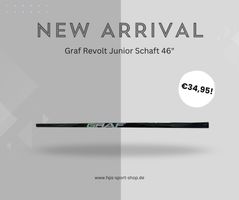
GRAF
Graf Revolt Junior Shaft – Flex 45 | Length 46" (118 cm), Colours: Schwarz0
Graf Revolt Junior Shaft – Flex 45 | Length 46" (118 cm) – hockey stick shaft. Choose the size and version to match your setup.
€34.95*€89.95
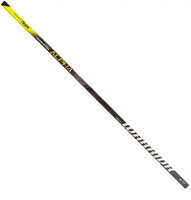
Warrior
Warrior Senior SMU TSG0
Warrior Senior SMU TSG: Warrior product with model-specific features and variant selection.
€49.00*€59.90


Shaft length, weight and flex affect how a stick handles and loads during a shot. Replacement shafts are intended for compatible two-piece systems. If a shaft is damaged or no longer suits you, compare these features and its blade connection before choosing a replacement.
Advice & details: ShaftsView selection advice, features and care
Hockey stick shafts in different lengths
Choosing a shaft for your game
- Forwards:Some players prefer an easier-loading shaft for their shooting technique. Playing forward alone does not determine the correct flex.
- Defenders:Some prefer a stiffer feel, but strength, technique and length matter more than a fixed position-based rule. Higher flex does not make a shaft resistant to checks.
- All-round players:Try a flex and balance that work across your passing and shooting techniques.
- Junior players:Appropriate length and a lower flex can help smaller players load the stick. Match the equipment to their current strength and size.
- Goalies:Goalie sticks have a purpose-built paddle and blade arrangement. They are not simply shorter player shafts, and a replacement player shaft is not a universal goalie-stick component.
Understanding shaft flex
Flex describes the force in pounds needed to bend a stick by one inch in the relevant test. A lower rating is easier to bend. Ratings such as 75–85 or 100–110 are examples, not fixed prescriptions for light or heavy players: technique, strength and stick length also matter. Contact us for individual advice.
Construction and grip
Composite shafts use layered fibres, often carbon fibre, to tune weight, stiffness and flex zones. Graphite is commonly used as a term for carbon-based construction rather than a wholly separate material category. Textured or coated grip finishes are available on some models; compare the actual specification.
Composite and wooden shafts
Wood provides a traditional feel, while composite shafts offer model-specific combinations of weight, flex and balance. Moisture and heat resistance depend on construction and care; no material should be exposed to extreme conditions. Choose the feel and performance that suit you.
Finding the right shaft size
- Height:Check the length of the complete assembled stick, since the blade also affects its finished dimensions.
- Position:Some forwards prefer less length for handling and some defenders more reach, but these are preferences rather than rules.
- Technique:Compare reach, control and how you load the stick. A longer shaft does not automatically produce a more powerful shot.
- Age and development:Shorter, lighter junior options should fit the player now rather than being oversized for future growth.
Choose a shaft for your next game
Compare the shafts in our online shop by length, flex, grip and blade compatibility. We can help you narrow the choice for your level of play.
Frequently asked questions
How long should a hockey shaft be?
Assess the assembled stick while wearing your skates. Chin-to-nose height is a broad starting reference, not a universal fit rule. Your stance, reach and technique matter, and the bare shaft length should not be confused with the finished stick length.
How should I care for a shaft?
Store it somewhere cool and dry, wipe away dirt and inspect it for cracks or other damage. Avoid excessive heat, unnecessary loading and striking hard surfaces outside normal play. Follow the manufacturer’s care instructions.
What difference does a grip finish make?
Textured or coated grip areas can change how securely the shaft feels in your hands. Compare the finish while wearing your hockey gloves to find a balance between hold and easy hand movement.