
Neck Guards
Showing 25 of 25
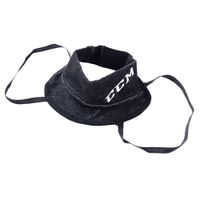
CCM
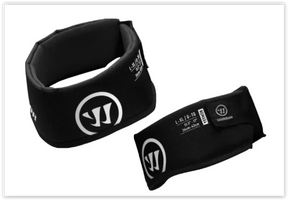
Warrior Pro Neck Guard0
Warrior Pro Neck Guard – hockey neck guard. Choose the size and version to match your setup.
€20.13*€25.20
Bauer
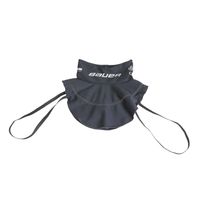
Bauer Neck Guard NG NLP23 Premium Bib Senior0
Bauer Neck Guard NG NLP23 Premium Bib Senior – hockey neck guard. Choose the size and version to match your setup.
from€25.17*€33.57
Show options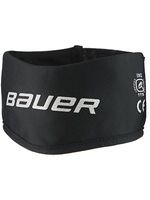
Bauer
BAUER NG NLP21 Premium Neckguard Collar Senior0
BAUER NG NLP21 Premium Neckguard Collar Senior – hockey neck guard. Choose the size and version to match your setup.
€20.13*€25.17
CCM
CCM TACKS PRO Base Layer Neck Guard Shirt Senior0
Base layer with integrated neck guard and a clear CCM size guide.
from€117.56*€134.45
Show optionsAycane
Aycane Blade EVO 2 Base Layer Short Sleeve 1610
Aycane Blade EVO 2 Base Layer Short Sleeve 161 is a functional short-sleeve hockey base layer for training and competition. Breathable stretch fabric supports moisture management, unrestricted movement and lasting comfort under protective equipment.
from€99.92*€100.76
Show optionsAycane
Aycane Blade EVO 2 Base Layer Long Sleeve 1600
Aycane Blade EVO 2 Base Layer Long Sleeve 160 is a functional hockey base layer for training and competition. Breathable stretch fabric supports moisture management, unrestricted movement and lasting comfort under protective equipment.
from€107.56*€108.40
Show optionsAycane
Aycane Blade X Base Layer Long Sleeve | BNQ 1150
Aycane Blade X Base Layer Long Sleeve | BNQ 115 is a functional hockey base layer for training and competition. Breathable stretch fabric supports moisture management, unrestricted movement and lasting comfort under protective equipment.
from€92.39*€117.61
Show optionsAycane
Aycane Blade X Base Layer Short Sleeve | BNQ 1180
Aycane Blade X Base Layer Short Sleeve | BNQ 118 is a functional short-sleeve hockey base layer for training and competition. Breathable stretch fabric supports moisture management, unrestricted movement and lasting comfort under protective equipment.
from€107.56*€108.40
Show optionsAycane
Aycane Blade Y Base Layer Long Sleeve Youth | BNQ 1170
Aycane Blade Y Base Layer Long Sleeve Youth | BNQ 117 is a functional hockey base layer for training and competition. Breathable stretch fabric supports moisture management, unrestricted movement and lasting comfort under protective equipment. The fit is designed specifically for young players.
from€83.15*€117.61
Show optionsAycane
Aycane Blade GT Lite Base Layer Long Sleeve 1670
Aycane Blade GT Lite Base Layer Long Sleeve 167 is a functional hockey base layer for training and competition. Breathable stretch fabric supports moisture management, unrestricted movement and lasting comfort under protective equipment.
from€91.51*€92.35
Show optionsAycane
Aycane Blade GT Base Layer Long Sleeve 2180
Aycane Blade GT Base Layer Long Sleeve 218 is a functional hockey base layer for training and competition. Breathable stretch fabric supports moisture management, unrestricted movement and lasting comfort under protective equipment.
from€108.32*€109.16
Show optionsReebok
Jofa Neckguard 475 - Senior0
Jofa Neckguard 475 - Senior – hockey neck guard. Choose the size and version to match your setup.
€15.92*€25.17
CCM
CCM NG Pro Senior0
CCM NG Pro Senior – hockey neck guard. Choose the size and version to match your setup.
€26.85*€54.58
Bauer
BAUER NG NLP8 Core Neckguard Bib Senior0
BAUER NG NLP8 Core Neckguard Bib Senior – hockey neck guard. Choose the size and version to match your setup.
€20.97*€21.81
Duzter Hockey
Duzter Pro Wall Compression Shirt for Goalies0
(BNQ Certified)
from€134.41*€176.47
Show optionsBlue Sports
AEGIS Interceptor Neck Protector0
AEGIS Interceptor Neck Protector: D3O. Choose the size and version to match your setup.
from€47.06*€58.82
Show optionsBauer
BAUER Bodyguard Neckguard Bib - Sr0
BAUER Bodyguard Neckguard Bib - Senior – hockey neck guard. Choose the size and version to match your setup.
from€30.21*€37.82
Show options


Choose a neck laceration protector with the appropriate certification, coverage and fit. It is designed to reduce the risk of cuts from skate blades; it is not general protection against puck impacts or spinal injuries.
Model-specific cut-resistant materials and closures should sit securely without restricting movement or breathing. Check the equipment rules that apply to your league and age group.
Advice & details: Neck GuardsView selection advice, features and care
Neck protection for ice hockey
What to look for in neck protection
- Appropriate protection:Choose a product designed and certified for its intended use. No protector eliminates all risk of injury.
- Comfort and mobility:The correct size should allow natural head movement without excessive pressure.
- Cut resistance:A neck laceration protector is designed to resist skate-blade cuts; cut-resistant does not mean cut-proof.
- Applicable requirements:Check the current rules of your competition and the specific product’s certification rather than assuming every neck guard qualifies.
Choosing the correct size
Measure neck circumference and compare it with the exact model’s chart. The protector should cover the intended area and remain securely positioned without pressing on the neck or limiting movement.
Materials and construction
The outer fabric of a hockey neck protector may include polyester or nylon, while its cut-resistant construction depends on the model. Padding alone does not establish cut protection or make a collar suitable for body-check impacts. Check the stated protective purpose and certification.
Fitting a neck protector
Adjust the closure according to the manufacturer’s instructions and check the required coverage with your helmet and other equipment. Recheck the fit during use: correct initial fastening does not guarantee that the protector can never shift.
Signs that the fit needs attention
- Uncomfortable pressure:Excessive pressure can indicate that the size or adjustment is wrong.
- Restricted movement:You should be able to turn and tilt your head naturally.
- Slipping:A protector that moves out of position needs refitting or a different size.
- Breathing restriction:Stop use and adjust or replace a protector that interferes with breathing.
- Incorrect coverage:Check gaps and position against the manufacturer’s fitting instructions rather than tightening indiscriminately.
Choose suitable neck protection
Compare the available models by protective purpose, certification, size and comfort. Ask us if you need help choosing a product for your equipment setup.
Frequently asked questions
How should a neck protector be cleaned?
Follow the manufacturer’s care label for washing, detergent and drying. Avoid heat or chemicals that are not permitted for its protective materials, and inspect the collar and closure regularly.
Does the colour affect protection?
Colour is primarily a design choice. Protection depends on the product’s construction, condition, certification and fit, not its colour.
How long does a neck protector last?
There is no universal service life. Follow the manufacturer’s replacement guidance and inspect for damage, worn fabric or a failing closure. Correct washing, drying and storage help maintain its condition.