
Helmets
Showing 50 of 52
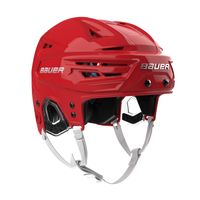
Bauer
Bauer Reakt 155 Helmet Senior0
Bauer Reakt 155 Helmet Senior: RE-AKT. Choose the size and version to match your setup.
from€219.95*€319.95
Show options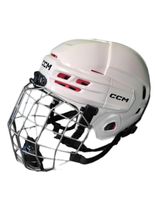
CCM
CCM Tacks 70 Helmet Combo Youth0
CCM Tacks 70 Helmet Combo Youth – hockey helmet. Choose the size and version to match your setup.
from€59.90*€89.90
Show options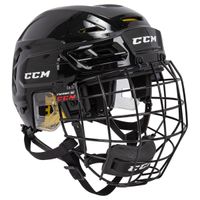
CCM
CCM Tacks 210 Combo Helmet Senior0
CCM Tacks 210 Combo Helmet Senior – hockey helmet. Choose the size and version to match your setup.
from€114.95*€169.90
Show options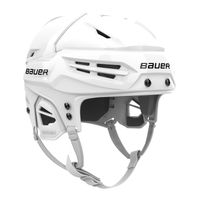
Bauer
Bauer Reakt 55 Helmet Senior0
Bauer Reakt 55 Helmet Senior: RE-AKT. Choose the size and version to match your setup.
from€69.95*€79.95
Show options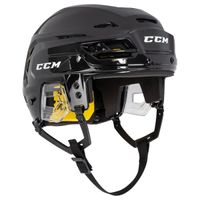
CCM
CCM Tacks 210 Helmet Senior0
CCM Tacks 210 Helmet Senior – hockey helmet. Choose the size and version to match your setup.
from€99.00*€129.90
Show optionsBauer
Bauer IMS 5.0 Helmet Senior0
Bauer IMS 5.0 Helmet Senior – hockey helmet. Choose the size and version to match your setup.
€52.36*€79.95
CCM
CCM Tacks 920 Combo Helmet Senior0
CCM Tacks 920 Combo Helmet Senior – hockey helmet. Choose the size and version to match your setup.
from€255.26*€389.90
Show optionsWarrior
Warrior General Alpha PRO Helmet / COMBO0
Warrior General Alpha PRO Helmet / COMBO: Warrior product with model-specific features and variant selection.
from€111.20*€169.90
Show optionsBauer
Bauer Reakt 150 Helmet Senior0
Bauer Reakt 150 Helmet Senior: RE-AKT. Choose the size and version to match your setup.
from€209.44*€319.95
Show optionsCCM
CCM Tacks 310 Helmet Senior0
CCM Tacks 310 Helmet Senior – hockey helmet. Choose the size and version to match your setup.
from€139.95*€199.90
Show optionsBauer
Bauer Re-Akt 85 Helmet Senior0
Bauer Re-Akt 85 Helmet Senior: RE-AKT. Choose the size and version to match your setup.
from€130.90*€199.95
Show optionsCCM
CCM Tacks 70 Helmet Senior0
CCM Tacks 70 Helmet Senior – hockey helmet. Choose the size and version to match your setup.
from€59.90*€79.95
Show optionsBauer
BAUER Helmet Hyp2rlite0
BAUER Helmet Hyp2rlite: RE-AKT. Choose the size and version to match your setup.
from€373.06*€569.95
Show optionsCCM
CCM Tacks 920 Helmet Senior0
CCM Tacks 920 Helmet Senior – hockey helmet. Choose the size and version to match your setup.
from€223.95*€319.95
Show optionsBauer
BAUER Reakt 65 Combo Helmet Senior0
BAUER Reakt 65 Combo Helmet Senior: RE-AKT. Choose the size and version to match your setup.
from€117.81*€179.95
Show optionsCCM
CCM Tacks 910 Helmet Combo Senior0
CCM Tacks 910 Helmet Combo Senior: D3O. Choose the size and version to match your setup.
from€274.89*€419.90
Show optionsCCM
CCM Tacks 910 Helmet Senior0
CCM Tacks 910 Helmet Senior: D3O. Choose the size and version to match your setup.
from€222.53*€339.90
Show optionsCCM
CCM Super Tacks X Helmet Senior0
CCM Super Tacks X Helmet Senior – hockey helmet. Choose the size and version to match your setup.
from€392.70*€599.90
Show optionsBauer
BAUER Reakt 65 Helmet Senior0
BAUER Reakt 65 Helmet Senior: RE-AKT. Choose the size and version to match your setup.
from€39.95*€129.95
Show optionsBauer
BAUER RE-AKT 90 Combo Senior Hockey Helmet S25 – Profile I Cage0
BAUER RE-AKT 90 senior combo with Defense Cloud Tech, AEROLITE 3D-Wrap, FreeForm adjustment and BAUER Profile I facemask.
from€199.95*€269.95
Show optionsCCM
CCM Tacks 70 Helmet Combo Junior0
CCM Tacks 70 Helmet Combo Junior – hockey helmet. Choose the size and version to match your setup.
from€64.90*€89.90
Show optionsBauer
BAUER RE-AKT 3D S25 Ice Hockey Helmet Senior0
The BAUER RE-AKT 3D S25 combines adaptive ADAPTiV lattice, GX-POD 2, a 3D-moulded AEROLITE base and independent length/width adjustment.
from€379.95*€549.95
Show optionsCCM
CCM Tacks 70 Helmet Combo Senior0
CCM Tacks 70 Helmet Combo Senior – hockey helmet. Choose the size and version to match your setup.
from€64.95*€99.90
Show optionsBauer
Bauer Reakt 55 Combo Helmet Senior0
Bauer Reakt 55 Combo Helmet Senior: RE-AKT. Choose the size and version to match your setup.
from€63.95*€99.95
Show optionsCCM
CCM FTW Combo Helmet Senior0
CCM FTW Combo Helmet Senior: AER-TEC. Choose the size and version to match your setup.
from€269.95*€389.90
Show optionsBauer
BAUER Prodigy 2.0 Youth Helmet Combo0
Kids’ hockey helmet with Prodigy cage, dual-density foam, Dual-Ridge Crown and tool-free Mono-Lock length adjustment.
from€79.95*€99.95
Show optionsBauer
Bauer Reakt 155 Combo Helmet Senior0
Bauer Reakt 155 Combo Helmet Senior: RE-AKT. Choose the size and version to match your setup.
from€219.95*€399.95
Show optionsCCM
CCM TACKS 310 Combo Senior Hockey Helmet --- display item --- 0
CCM TACKS 310 Combo Senior Hockey Helmet: hockey helmet with adjustable fit, ventilation and a clear size guide.
€129.95*€230.95
Warrior
Warrior General CF 100 HELMET / COMBO0
Warrior General CF 100 HELMET / COMBO: Warrior product with model-specific features and variant selection.
from€138.95*€179.90
Show optionsCCM
CCM 920/FTW Helmet Replacement Sweatband (2 pcs)0
CCM 920/FTW Helmet Replacement Sweatband (2 pcs) – hockey helmet. Choose the size and version to match your setup.
€16.95*€19.95
Bauer
BAUER RE-AKT 70 Combo Senior Hockey Helmet S25 – Profile I Cage0
BAUER RE-AKT 70 senior combo with 3D EPP base, VN comfort foam, Mono-Lock length adjustment and BAUER Profile I facemask.
from€135.90*€169.95
Show optionsBauer
BAUER RE-AKT 90 Senior Hockey Helmet S25 – S to L, Five Colours0
BAUER RE-AKT 90 senior hockey helmet with Defense Cloud Tech, AEROLITE 3D-Wrap and FreeForm adjustment. Sizes S–L in five colours.
from€134.95*€199.95
Show optionsBauer
BAUER RE-AKT 70 Senior Hockey Helmet S25 – S to L, Five Colours0
BAUER RE-AKT 70 senior hockey helmet with 3D-moulded EPP base, VN comfort foam and tool-free Mono-Lock length adjustment.
from€99.95*€129.95
Show optionsCCM
CCM TACKS 310 Combo Senior Hockey Helmet0
CCM TACKS 310 Combo hockey helmet Senior: CCM helmet with cage, technical data, sizing help and variant overview.
from€150.53*€230.00
Show optionsCCM
CCM TACKS 310 Senior Hockey Helmet0
CCM TACKS 310 Senior Hockey Helmet: hockey helmet with adjustable fit, ventilation and a clear size guide.
from€139.95*€180.00
Show optionsWarrior
Warrior General Alpha PRO Helmet / COMBO0
Warrior General Alpha PRO Helmet / COMBO: Warrior product with model-specific features and variant selection.
€130.83*€199.90
CCM
CCM TACKS 310 Combo Junior Hockey Helmet0
CCM TACKS 310 Combo Junior Hockey Helmet: hockey helmet with adjustable fit, ventilation and a clear size guide.
from€172.95*€230.00
Show optionsCCM
CCM TACKS X PRO Senior Hockey Helmet0
CCM TACKS X PRO Senior Hockey Helmet: hockey helmet with adjustable fit, ventilation and a clear size guide.
from€389.95*€530.00
Show optionsCCM
CCM Multi-Sport Helmet Youth0
CCM Multi-Sport Helmet Youth: Multi-sport helmet for compatible CCM equipment.
from€49.00*€80.00
Show optionsBauer
BAUER RE-AKT 155 Youth Helmet Combo0
Youth hockey helmet combo with a Contour cage, comfortable Foam Pods, spring-loaded occipital support and tool-free FreeForm length and width adjustment.
from€129.95*€159.95
Show optionsCCM
CCM Tacks 310 Helmet Combo Senior0
CCM Tacks 310 Helmet Combo Senior – hockey helmet. Choose the size and version to match your setup.
from€163.62*€249.90
Show optionsCCM
CCM Tacks 710 Helmet Senior0
CCM Tacks 710 Helmet Senior: D3O. Choose the size and version to match your setup.
€179.95*€259.90
Warrior
Warrior Covert RS Pro Helmet Senior0
Warrior Covert RS Pro Helmet Senior – hockey helmet. Choose the size and version to match your setup.
€109.00*€139.90
CCM
CCM Tacks 710 Helmet Combo Senior0
CCM Tacks 710 Helmet Combo Senior: D3O. Choose the size and version to match your setup.
from€214.95*€319.90
Show optionsBauer
BAUER IMS 11.0 helmet0
BAUER IMS 11.0 helmet – hockey helmet. Choose the size and version to match your setup.
€139.95*€189.95


An ice hockey helmet combines an outer shell with protective padding. The shell helps distribute impacts, while the padding manages impact energy. A compatible cage or visor provides additional coverage for the face and eyes against contact with pucks, sticks and skates.
Construction and materials vary between models. Compare the fit, certified intended use and manufacturer’s instructions. A helmet can help protect against serious head injury, but no helmet is concussion-proof.
Advice & details: HelmetsView selection advice, features and care
Ice hockey helmets in different sizes
Benefits of ice hockey helmets
- Head protection: Helmets are designed specifically to protect the head against hard impacts, significantly reducing the risk of serious head injuries.
- Limits of protection: Impact-absorbing materials are part of a helmet’s protective design, but no helmet can guarantee prevention of concussion. Correct fit and safe play remain essential.
- Greater comfort: Modern helmets feature adjustable components and soft padding that provide an individual fit and improve comfort during long games and training sessions.
- Confidence with care: A well-fitting helmet can help you feel prepared, but it is no reason to take extra risks or ignore the rules of safe play.
Finding the right ice hockey helmet size
Choosing the right helmet size is very important for optimum protection and comfort. A helmet that is too large can slip and fail to protect properly, while one that is too small causes pressure points and discomfort. You can determine the ideal size by measuring your head circumference approximately 1-2 cm above your eyebrows. Most helmets are adjustable, allowing fine adjustments for a precise and comfortable fit. The helmet should sit securely without creating pressure or restricting head movement.
Ice hockey helmets: choosing the right cage
When buying a cage for your helmet, consider a few important points to achieve the best protection and comfort. A good cage should be strong and durable to offer effective protection against pucks and sticks. It should be made from a high-quality, corrosion-resistant material that retains its shape and function even under intensive use. The cage should also provide good visibility.
Make sure the cage fits your helmet correctly. It should be easy to attach securely, without movement or unwanted gaps. Certification is another important factor: check that the cage meets the applicable safety standards. You can also choose a helmet with a cage from one of our combo packages.
Popular ice hockey helmets
- Bauer RE-AKT 65 Combo: The RE-AKT 65 helmet uses VN foam inserts in key contact areas and Mono-Lock tool-free adjustment. Check the fit and included face protection of the particular combo.
- BAUER HYP2RLITE helmet: Its FreeForm system provides independent length and width adjustment. The Occipital Lock helps adjust the fit at the back of the head.
- Bauer RE-AKT 150: FreeForm adjusts length and width independently. The hinged Comfort Pod liner adapts to the shape of the head; layered IX and XRD foams and VTX foam form part of its padding system.
- Bauer RE-AKT 95: This model combines a multi-density liner with XRD and VTX foams. Its ventilation channels support airflow; check the fit and condition of the exact helmet.
- Bauer IMS 5.0: A two-piece shell, tool-free size adjustment and ventilation openings make it straightforward to adjust and wear. Its padding uses dual-density foam.
Buying a high-quality ice hockey helmet
Whether you are a professional or a hobby player, a good helmet makes an important contribution to your safety. Consider the fit, materials and specific features when buying, so that you can find the helmet best suited to your playing style. Explore our online shop and choose from a wide range of high-quality ice hockey helmets.
Frequently asked questions
How should an ice hockey helmet fit?
An ice hockey helmet should fit securely on your head without slipping, while remaining comfortable. A good fit means that the helmet is neither too tight nor too loose and does not create pressure points. Most helmets have an adjustment system that lets you tailor the fit.
What is the difference between choosing an ice hockey helmet with a cage and one with a visor?
A cage covers more of the face, while a visor leaves part of the face exposed. Choose compatible, certified equipment and follow the face-protection rules that apply to your age group and competition. Personal preference or experience does not replace those requirements.
How long does a good ice hockey helmet usually last?
There is no single service life that applies to every helmet. Follow the manufacturer’s replacement instructions and the certification or expiry information on the helmet. Check the shell, padding and fasteners regularly; do not continue using a helmet with cracks, deformation, damaged padding or missing parts.