
Goalie Skates
Showing 44 of 44
CCM
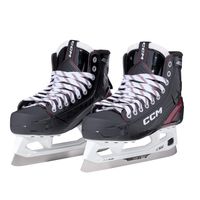
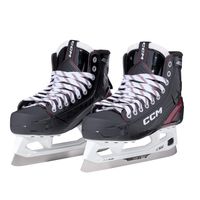
CCM EFLEX 6.5 Goalie Skate Intermediate0
CCM EFLEX 6.5 Goalie Skate Intermediate: SPEEDBLADE XS. Choose the size and version to match your setup.
€249.00*€319.90
Show options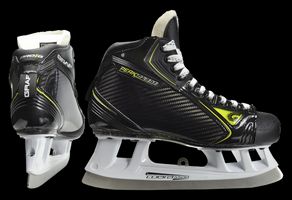
GRAF
Graf PeakSpeed Pro/G Cowlingless Goalie Skates << CLEARANCE SALE >>0
Graf PeakSpeed Pro/G Cowlingless Goalie Skates > – goalie skates. Choose the size and version to match your setup.
from€249.95*€799.95
Show options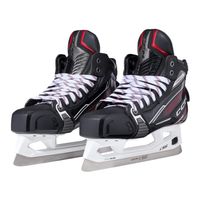
CCM
CCM EFLEX 6 Goalie Skate Senior0
CCM EFLEX 6 Goalie Skate Senior: SPEEDBLADE XS, ADPT. Choose the size and version to match your setup.
from€679.95*€1,149.90
Show options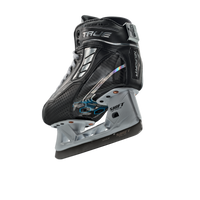
True
True CATALYST 9X4 Goalie Skate Senior0
True CATALYST 9X4 Goalie Skate Senior: NEUROFIT. Choose the size and version to match your setup.
from€799.00*€1,249.00
Show optionsTrue
True CATALYST 7X4 Goalie Skate Senior0
True CATALYST 7X4 Goalie Skate Senior: NEUROFIT. Choose the size and version to match your setup.
from€599.99*€929.00
Show optionsTrue
True CATALYST 7X4 Goalie Skate Intermediate0
True CATALYST 7X4 Goalie Skate Intermediate: NEUROFIT. Choose the size and version to match your setup.
from€499.00*€749.00
Show optionsTrue
True CATALYST 5X4 Goalie Skate Senior0
True CATALYST 5X4 Goalie Skate Senior: NEUROFIT. Choose the size and version to match your setup.
from€199.95*€559.00
Show optionsTrue
True CATALYST 5X4 Goalie Skate Junior0
True CATALYST 5X4 Goalie Skate Junior: NEUROFIT. Choose the size and version to match your setup.
from€134.95*€369.00
Show optionsTrue
True CATALYST 5X4 Goalie Skate Intermediate0
True CATALYST 5X4 Goalie Skate Intermediate: NEUROFIT. Choose the size and version to match your setup.
€154.95*€439.00
Show optionsTrue
True Goalie Custom Skate - Junior0
True Goalie Custom Skate - Junior – goalie skates. Choose the size and version to match your setup.
€399.95*
Show optionsBauer
Bauer GSX Goalie Skate Intermediate 20240
Bauer GSX Goalie Skate Intermediate 2024 – goalie skates. Choose the size and version to match your setup.
€239.95*€299.95
True
TRUE 3D Printed V2 Asymmetric Goalie Skate Tongues Pair0
Ultralight breathable 3D-printed replacement tongue pair for TRUE goalie skates with a firm centre channel and softer contouring edges.
from€149.95*€179.95
Show optionsCCM
CCM TACKS Goalie XR90 Junior Goalie Skates0
CCM TACKS Goalie XR90 Junior goalie skates with CORE Boot, XS1 PRO Black Stainless runners and TotalDri Pro comfort.
€359.90*€450.00
True
TRUE CATALYST 5X6 Junior Goalie Skates0
Thermoformable premium junior goalie skate with a Polyfusion shell, anatomical fit, brushed tricot liner and stainless-steel runner.
from€349.00*€404.95
Show optionsTrue
TRUE CATALYST 5X6 Intermediate Goalie Skates0
Thermoformable premium intermediate goalie skate with a Polyfusion shell, anatomical fit, brushed tricot liner and stainless-steel runner.
from€399.00*€464.95
Show optionsTrue
TRUE CATALYST NITRO Intermediate Goalie Skates0
Elite/pro goalie skate with a one-piece thermoformable NEUROFIT+ carbon shell, anatomical fit and exposed MotionCuff.
€799.95*€999.95
True
TRUE CATALYST NITRO Senior Goalie Skates0
Elite/pro goalie skate with a one-piece thermoformable NEUROFIT+ carbon shell, anatomical fit and exposed MotionCuff.
€999.00*€1,199.95
CCM
CCM TACKS Goalie XR70 Senior Goalie Skates0
CCM TACKS Goalie XR70 Senior goalie skates with TotalDri Pro, 7 mm felt tongue and SpeedBlade XSG holder.
from€319.90*€400.00
Show optionsCCM
CCM TACKS Goalie XR70 Junior Goalie Skates0
CCM TACKS Goalie XR70 Junior goalie skates with TotalDri Pro, 7 mm felt tongue and SpeedBlade XSG holder.
from€239.95*€320.00
Show optionsCCM
CCM TACKS Goalie XR70 Intermediate Goalie Skates0
CCM TACKS Goalie XR70 Intermediate goalie skates with TotalDri Pro, 7 mm felt tongue and SpeedBlade XSG holder.
€249.95*€330.00
CCM
CCM TACKS Goalie XR90 Intermediate Goalie Skates0
CCM TACKS Goalie XR90 Intermediate goalie skates with CORE Boot, resistant Goalie Toe Cap and TotalDri Pro.
from€439.90*€550.00
Show optionsTrue
TRUE CATALYST 2026 Goalie Replacement Skate Tongues Pair0
Size-specific replacement tongue pair with hook-and-loop attachment for compatible 2026 TRUE CATALYST goalie skates.
from€79.95*
Show optionsTrue
TRUE SVH Custom Goalie Skates – One-Piece / Two-Piece0
TRUE SVH Custom Goalie Skates – One-Piece / Two-Piece: NEUROFIT. Choose the size and version to match your setup.
from€1,099.95*€1,600.00
Show optionsBauer
BAUER Supreme Total One Nxg Goalie Skates, SR << CLEARANCE SALE >>0
BAUER Supreme Total One Nxg Goalie Skates, Senior > – goalie skates. Choose the size and version to match your setup.
€149.95*€849.95
Bauer
Bauer Konekt Goalie Skate Senior0
Bauer Konekt Goalie Skate Senior – goalie skates. Choose the size and version to match your setup.
€1,099.95*€1,549.95
Bauer
Bauer Pro Goalie Skate Senior MTO 20240
Bauer Pro Goalie Skate Senior MTO 2024: CURV. Choose the size and version to match your setup.
from€818.12*€1,249.95
Show optionsBauer
Bauer GSX Goalie Skate Senior 20240
Bauer GSX Goalie Skate Senior 2024 – goalie skates. Choose the size and version to match your setup.
from€268.90*€329.95
Show optionsBauer
Bauer Konekt2 Goalie Skate Senior0
Bauer Konekt2 Goalie Skate Senior – goalie skates. Choose the size and version to match your setup.
from€1,099.95*€1,549.95
Show optionsBauer
Bauer GSX Goalie Skate Youth 20240
Bauer GSX Goalie Skate Youth 2024 – goalie skates. Choose the size and version to match your setup.
from€189.95*€239.95
Show optionsBauer
Bauer GSX Goalie Skate Junior 20240
Bauer GSX Goalie Skate Junior 2024 – goalie skates. Choose the size and version to match your setup.
€219.95*€269.95
Bauer
Bauer Elite Goalie Skate Senior0
Bauer Elite Goalie Skate Senior: CURV. Choose the size and version to match your setup.
€425.42*€650.00
True
TRUE CATALYST 5X6 Senior Goalie Skates0
Thermoformable premium senior goalie skate with a Polyfusion shell, anatomical fit, brushed tricot liner and stainless-steel runner.
from€499.00*€579.95
Show optionsBauer
BAUER KONEKT HF3 S25 Goalie Skates Junior0
The BAUER KONEKT HF3 S25 Junior combines a customizable Anaform thermoform shell, HINGEFLEX mobility, KONEKT2 closure and LIGHTSPEED 5G steel.
€549.95*€699.95
Bauer
Bauer Konekt HF2 Goalie Skate Junior0
Bauer Konekt HF2 Goalie Skate Junior – goalie skates. Choose the size and version to match your setup.
from€599.95*€749.95
Show optionsBauer
Bauer Pro Goalie Skate Intermediate0
Bauer Pro Goalie Skate Intermediate: CURV. Choose the size and version to match your setup.
€749.95*€1,049.95
Bauer
Bauer Konekt HF2 Goalie Skate Senior0
Bauer Konekt HF2 Goalie Skate Senior – goalie skates. Choose the size and version to match your setup.
from€699.95*€999.95
Show optionsBauer
Bauer Konekt HF2 Goalie Skate Intermediate0
Bauer Konekt HF2 Goalie Skate Intermediate – goalie skates. Choose the size and version to match your setup.
€649.95*€899.95
Bauer
Bauer Pro Goalie Skate Senior0
Bauer Pro Goalie Skate Senior: CURV. Choose the size and version to match your setup.
from€799.95*€1,159.95
Show optionsBauer
BAUER Goalie Skates Konekt HF3 - Sr.0
BAUER Goalie Skates Konekt HF3 - Senior – goalie skates. Choose the size and version to match your setup.
from€699.95*€999.95
Show optionsBauer
BAUER Goalie Skates Konekt HF3- Jr.0
BAUER Goalie Skates Konekt HF3- Junior – goalie skates. Choose the size and version to match your setup.
€489.95*€549.95


Goalie skates are designed for the stance, lateral movements and puck impacts of goaltending. Their boot, holder and runner geometry differ from player skates, but not every model uses the same cut, blade width or profile. Compare the actual fit and construction.
Find out which features matter for your setup.
Advice & details: Goalie SkatesView selection advice, features and care
Goalie skates for ice hockey
Features to compare
- Mobility:Goalie-specific boot designs aim to support the ankle movement used in the crease. The cut varies by model.
- Runner setup:Profile, width and sharpening affect the feel of lateral movement and stance. Not all goalie runners are wider than player steel.
- Protective construction:Toe and boot construction are designed for goalie use; compare the intended level of protection and fit.
- Fit:Secure heel hold and suitable width support movement, but do not guarantee prevention of fatigue.
- Condition:Skates are built for hockey use, but the boot, holders and steel still require regular inspection.
Materials in goalie skates
Boots may use synthetic or composite constructions with model-specific liners and padding. Steel runners and holder connections also vary. Compare these specifications rather than assuming every model uses gel padding or is resistant to all cuts and abrasion.
Choosing within your budget
Compare current prices, fit and the intended level of use across the range. Boot construction, liners and runner systems differ by model; choose the features that suit your needs and budget.
Finding the right size
Use the exact model’s size and fit guidance, then check the skates in your normal goalie stance. Length, width and heel hold all matter.
- Foot length:Measure both feet using the manufacturer’s method rather than converting directly from ordinary shoe size.
- Foot width:Compare the available width or fit options with your foot shape.
- Playing socks:Try the skates with the socks you normally wear on the ice.
- Heel hold:The heel should remain securely seated without uncomfortable pressure.
- Growing players:Choose a safe fit now and follow the manufacturer’s guidance on any growth allowance; do not oversize substantially.
Explore goalie skates
Compare the available models for fit, construction and compatible runner systems. Contact us if you need help narrowing the selection.
Frequently asked questions
How should goalie skates be cared for after use?
Dry the boots and runners, air the liners and inspect holders, fastenings and shell condition. Follow the manufacturer’s cleaning and storage instructions, and have the edges checked when needed.
How often should goalie skates be sharpened?
Check the edges regularly. Sharpening frequency depends on ice time, conditions, steel and your preferences; once per year is not a reliable rule. Ask a skate technician to assess worn or damaged edges and follow the specific runner system’s instructions.
What is a goalie runner’s rocker?
Rocker describes the runner’s longitudinal profile and influences contact with the ice. It is different from the sharpening hollow across the blade. Profile choice affects the balance between contact and manoeuvrability and should suit the individual skater’s technique and preferences.